
Brain Training Benefits Boost Focus and Concentration Naturally
The Growing Importance of Cognitive Enhancement
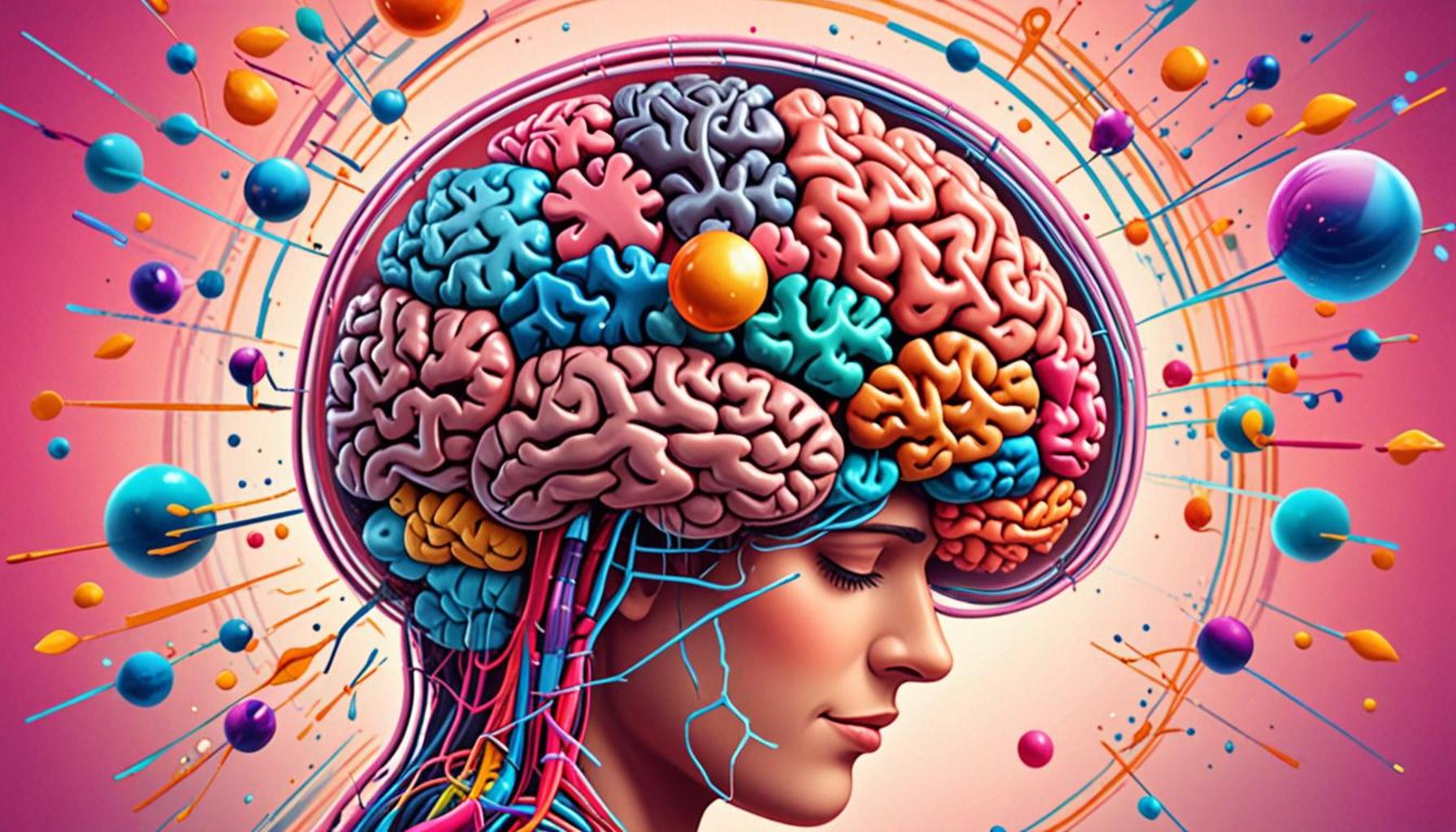
In today’s fast-paced world, maintaining focus and concentration is increasingly challenging. With distractions multiplying—from smartphones constantly beckoning for attention to the barrage of updates on social media—many individuals struggle to stay on task. This persistent disruption not only hinders productivity but can also affect mental well-being. Enter brain training, a deliberate practice aimed at improving cognitive capabilities through targeted exercises designed to enhance mental functions.
The benefits of engaging in brain training activities are profound and far-reaching. Here are some essential advantages one can gain through consistent mental workouts:
- Improved Attention Span: Simple exercises, such as focusing on a single task for a set duration, can significantly enhance your ability to concentrate for longer periods. For instance, using the Pomodoro Technique, where you work for 25 minutes followed by a 5-minute break, can strengthen this skill over time.
- Enhanced Problem-Solving Skills: Regular exposure to mental challenges, such as logic puzzles or brain games like Sudoku, promotes critical thinking and innovation. Studies have shown that engaging in such activities can stimulate the brain’s problem-solving regions, making individuals more adept at tackling challenges creatively.
- Greater Memory Retention: Engaging with activities specifically targeting memory, such as learning a new language or practicing memory recall with flashcards, can aid in better information retention and recall. This practice is particularly beneficial for students and professionals alike, who need to absorb large volumes of information efficiently.
Furthermore, research suggests that regular brain training can lead to noticeable improvements in daily life. Those who practice mental agility through games or puzzles often report enhanced cognitive function that translates into real-world benefits:
- Increased Productivity: A sharper mind not only improves your focus but also translates to completing tasks more efficiently, leading to a significant boost in workplace productivity. Companies such as Lumosity have developed programs aimed at busy professionals seeking to enhance these very skills.
- Reduced Mental Fatigue: Strengthening your cognitive skills helps stave off a sense of overwhelm and mental exhaustion, enabling you to approach both work and leisure activities with renewed vigor.
- Better Stress Management: A well-trained brain is equipped to navigate stressful situations with agility, making individuals less susceptible to anxiety and burnout.
With various tools at our disposal, from mobile apps like Brain Age to online cognitive-improvement courses, there’s never been a better time to embark on the journey of brain training. Numerous research studies have reinforced the idea that just like physical training, regular mental exercise can lead to lasting cognitive benefits. Discover how you can harness these techniques to naturally boost your focus and concentration, paving the way for a more productive and fulfilling daily experience.
In conclusion, the path to enhancing mental acuity is accessible to everyone, and the potential rewards are immense. Whether you’re a student, a working professional, or someone seeking personal growth, incorporating brain training into your routine can lead to a substantially improved quality of life. By committing just a few minutes each day, you can unlock new levels of cognitive performance, ensuring that your mind remains as sharp as it can be.
The Science Behind Brain Training
Brain training is more than just a buzzword; it is a scientifically-backed approach aimed at enhancing cognitive function through targeted mental exercises. Various studies highlight the effectiveness of brain training exercises in boosting focus and concentration, leading to significant improvements in daily tasks. Understanding the underlying principles of how brain training works can provide insight into why it is so beneficial for people of all ages.
Understanding Neuroplasticity
At the heart of brain training is the concept of neuroplasticity, which refers to the brain’s ability to reorganize itself by forming new neural connections throughout life. This adaptability means that with consistent mental practice, individuals can strengthen areas of the brain responsible for focus, memory, and problem-solving. A study published in the journal Proceedings of the National Academy of Sciences found that participants who engaged in cognitive training showed improved performance in tasks requiring attention and working memory. This adaptability underlines the evidence supporting regular brain training as a tool to combat cognitive decline.
Targeted Brain Training Exercises
Many exercises specifically target concentration and attention span. Here are some effective activities that can lead to visible improvements:
- Mindfulness Meditation: Engaging in mindfulness meditation practices has been shown to enhance attention and emotional regulation. Even short sessions can train the brain to focus on the present moment, leading to improved concentration in everyday tasks.
- Dual-N-Back Games: This memory training game challenges players to remember sequences of visual and auditory stimuli. Research has shown that playing dual-n-back games can significantly enhance working memory and fluid intelligence, both critical for maintaining focus.
- Memory and Attention Exercises: Simple exercises such as recalling lists of words, playing memory matching games, or even regular crossword puzzles can sharpen both memory and attention. Engaging your brain in these ways can create pathways that bolster your ability to concentrate on important tasks.
Furthermore, incorporating these exercises into daily routines doesn’t require major time commitments; committing just a few minutes each day can lead to noticeable boosts in cognitive performance over time. A report by the American Psychological Association underscores that structured training can yield immediate and long-lasting enhancements in cognitive flexibility and concentration.
As we delve deeper into the advantages that brain training offers for focus and concentration, it is essential to understand how these cognitive enhancements can translate into real-life success. The skills developed through regular practice not only improve mental agility but also empower individuals to face the challenges of modern life more effectively.
By embracing brain training as a natural solution, anyone can take control of their mental capabilities and unlock the potential to enhance both personal and professional aspects of their life.
As we continue to explore the fascinating world of brain training, it’s essential to understand how approaching this practice can significantly enhance mental capabilities. Engaging in activities specifically designed to challenge the brain can provide numerous cognitive benefits. Below is a detailed table outlining some of the most compelling advantages of incorporating brain training into your daily routine, with a focus on boosting focus and concentration.
| Category | Description |
|---|---|
| Enhanced Cognitive Abilities | Brain training exercises improve memory, problem-solving skills, and adaptability. |
| Natural Focus Improvement | Consistent practice fosters a greater ability to concentrate without mental fatigue. |
Engaging in focused brain training activities not only sharpens various cognitive functions but also sets the stage for a more productive daily experience. The commitment to such training can lead to noticeable changes, helping individuals stay alert and responsive in fast-paced environments. To dive deeper into specific strategies and methods, consider researching cognitive games, puzzles, and mindfulness techniques that promote mental agility and clarity.
Everyday Applications of Enhanced Focus and Concentration
The benefits of brain training extend far beyond the confines of formal mental exercises; they manifest in various aspects of daily life, enhancing productivity and well-being. When individuals engage in activities designed to boost cognitive function, they become better equipped to tackle challenges in both personal and professional domains. Let’s explore how these improvements in focus and concentration can translate into tangible outcomes.
Boosting Workplace Efficiency
In today’s fast-paced work environment, where multitasking is often the norm, enhanced focus can significantly impact output and job performance. Research from the University of California suggests that individuals who regularly practice cognitive exercises exhibit superior task management capabilities and a marked ability to filter distractions. For instance, professionals who train their brains to focus report an increase in their ability to complete tasks with fewer errors and improved creativity. This can lead to greater job satisfaction and opportunities for advancement.
Academic Success through Improved Concentration
Brain training has notable implications for students of all ages. A study featured in the Journal of Educational Psychology revealed that students who participated in regular cognitive training programs scored higher on standardized tests assessing focus and concentration. This is crucial not only for academic achievements but also for fostering a love of learning. Techniques such as spaced repetition, a method that involves reviewing material over increasing intervals, help reinforce memory retention and build strong study habits. Whether it’s recalling complex formulas or engaging in critical reading, enhanced concentration allows students to maximize their academic potential.
Enhancing Leisure Activities
Improving focus and concentration doesn’t just benefit work and studies. It also enriches leisure activities, allowing individuals to engage more deeply in hobbies, sports, and social interactions. For instance, musicians often find that dedicated practice enhances their ability to concentrate, leading to improved performance. Similarly, athletes who incorporate mental training techniques like visualization report higher levels of focus during competitions, which can be the difference between victory and defeat.
The Mental and Emotional Health Connection
Moreover, brain training exercises can promote mental and emotional resilience, essential attributes in managing stress and anxiety. Engaging in focused activities like journaling or artistic endeavors can serve as a form of mindfulness, helping individuals to find calm and stability amid the chaos of daily life. A study published in the Journal of Clinical Psychology highlighted that individuals who harness mindfulness through brain training exhibited lower levels of anxiety and improved emotional regulation. Thus, the ability to focus can significantly improve overall well-being and life satisfaction.
Community and Social Benefits
Lastly, strong cognitive skills foster more profound social interactions. When individuals can concentrate better, they tend to engage more actively and attentively in conversations, enhancing relationships and even community ties. Activities that encourage cognitive strengths, such as group games or collaborative projects, not only sharpen the mind but also foster connections with others. Engagement in social and community activities stimulates cognitive function, creating a virtuous cycle of focus and interpersonal relationships.
As brain training continues to gain traction, numerous resources—from mobile apps to community programs—are becoming available in the United States, making it easier for individuals to embark on their cognitive enhancement journey. The natural boost in focus and concentration derived from these activities can lead to multifaceted improvements across various aspects of life, illustrating the profound and lasting impact of dedicated brain training.
Conclusion: The Transformative Power of Brain Training
The journey into brain training reveals a tapestry of benefits that fundamentally enrich our lives by boosting focus and concentration naturally. As highlighted throughout this article, the far-reaching impact of cognitive exercises touches every corner of our existence—from professional efficiency and academic excellence to enhanced leisure pursuits and emotional well-being.
As we continue to navigate a world marked by constant distractions, the ability to concentrate has become a crucial skill. Engaging in brain training not only empowers individuals to reclaim their attention but also fosters resilience against the daily stressors of modern life. Individuals who embrace these practices often report improved mental clarity and the ability to tackle challenges with renewed vigor.
Furthermore, as resources proliferate across the United States, such as applications and community workshops, the barriers to accessing cognitive enhancement are lowering. This democratization of brain training opens up opportunities for everyone, regardless of their background. By harnessing the techniques learned through brain training, individuals can cultivate meaningful relationships, achieve academic goals, and enhance their professional capabilities.
Ultimately, the benefits of brain training are profound and multidimensional, inviting us to explore various strategies and exercises that best suit our lifestyles. In doing so, we not only boost our concentration and focus but also embark on a transformative journey toward a more fulfilling and productive life. The call to action is clear: invest in your brain and unlock your potential.