
Simplicity in Home Design: Creating Tranquil Spaces with Minimalist Principles
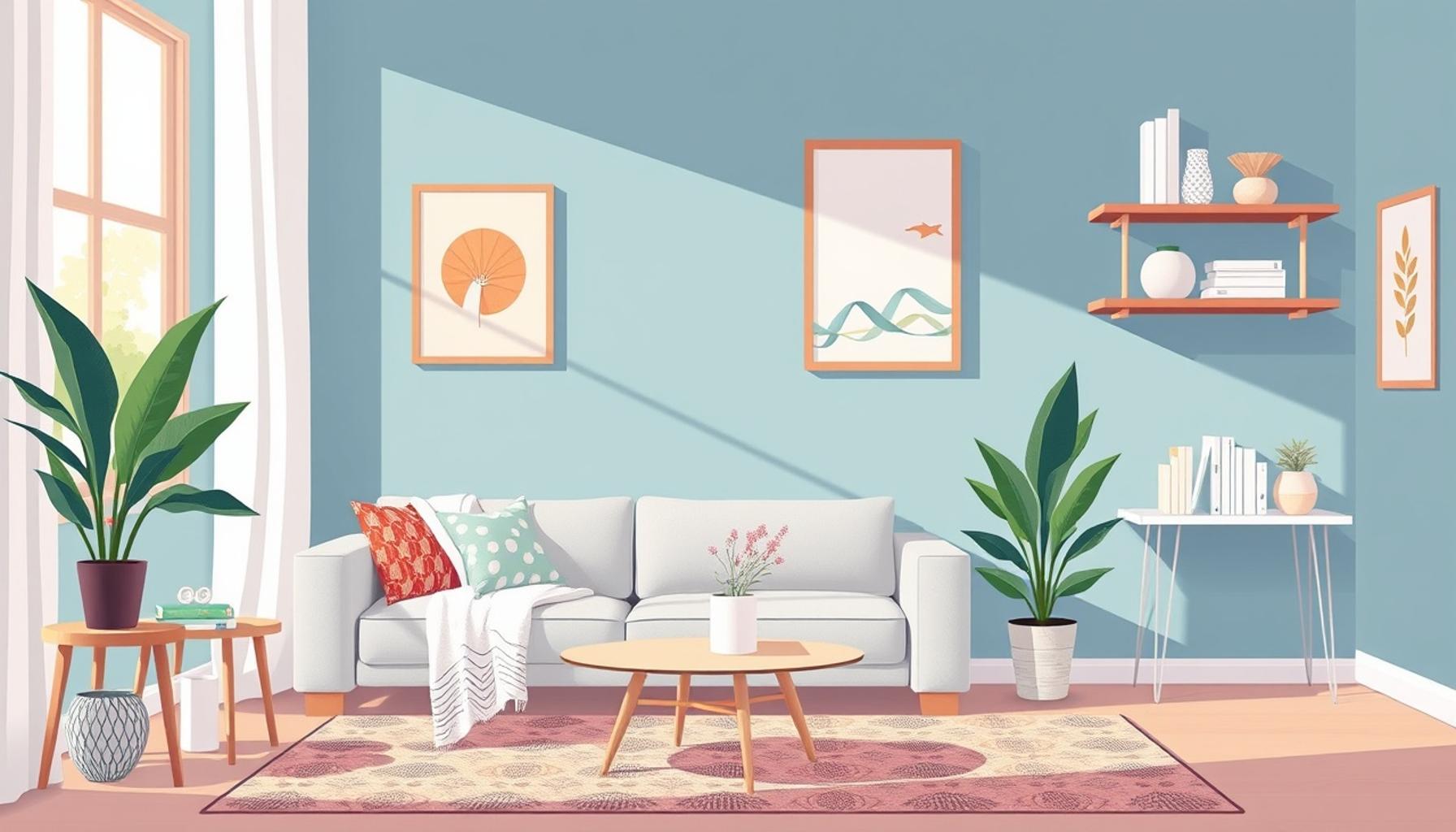
Revolutionizing Your Living Space
In today’s fast-paced world, the quest for tranquility often leads us to re-evaluate our living spaces. Simplicity in home design is not just an aesthetic choice; it is a lifestyle that promotes peace, clarity, and balance. By adopting minimalist principles, homeowners can create environments that foster relaxation and well-being.
Minimalism emphasizes:
- Functionality: Every item serves a purpose. Minimalism challenges the notion of excess, advocating for a lifestyle where each piece of furniture or decor is not only beautiful but also essential. For example, a coffee table that doubles as storage can both enhance your living area’s aesthetic and reduce clutter.
- Natural Light: Large windows brightening rooms enhance mood. In places like California, where sunshine is abundant, integrating expansive windows or skylights can drastically improve the ambiance of a home, making it feel larger and more inviting.
- Neutral Colors: A calming palette that soothes the mind. Shades of white, beige, and soft gray can transform a room into a serene escape, encouraging relaxation at the end of a busy day.
As the trend gains traction across the United States, many are discovering the benefits of decluttering their homes. The act of paring down possessions can be cathartic, leading to an appreciation for quality over quantity. Streamlined spaces not only reduce stress but also help in focusing on what truly matters in life. Designers are now creating tranquil spaces inspired by nature, simplicity, and clean lines, incorporating biophilic design elements such as indoor plants and natural materials that further promote a connection with the outdoors.
The benefits of embracing a minimalist approach are compelling:
- Reduced stress: Less visual clutter leads to enhanced focus. A study conducted by the National Center for Biotechnology Information suggests that organized spaces can significantly lower anxiety levels, allowing for greater productivity and a more peaceful state of mind.
- Increased functionality: Spaces are designed for practical use. Minimalist homes encourage an intentional layout where every area has a distinct purpose, leading to environments where families can interact more effectively.
- Cost-effectiveness: Investing in quality over quantity saves money. By prioritizing sophistication and durability, homeowners may find themselves spending less over time on replacements and repairs, ultimately aligning their spending with their values.
As we move toward a more simplified lifestyle, it’s crucial to recognize that less can often mean more. Join us as we delve deeper into the transformative power of simplicity in home design, exploring tips and strategies that can help you turn your living space into a peaceful sanctuary that nurtures both the mind and spirit.
DISCOVER MORE: Click here for innovative space solutions
Finding Harmony in Your Home
The essence of simplicity in home design lies in creating spaces that reflect clarity and intention. To embrace minimalist principles is to embark on a journey of self-discovery and peace. Here, we explore how to achieve this delicate balance within our homes through thoughtful design choices and deliberate organization.
One of the primary pillars of minimalism is space optimization. Unlike traditional cluttered designs that may bombard the senses, a minimalist approach prioritizes open spaces and uninhibited movement. For instance, using multifunctional furniture not only maximizes utility but also maintains a sleek aesthetic. Consider a sofa with hidden storage compartments or a dining table that can be extended for hosting gatherings, which helps in adapting the space to various needs without adding unnecessary furnishings.
Moreover, embracing natural materials plays an essential role in creating tranquil environments. Materials like wood, stone, and bamboo offer tactile warmth that connects indoor spaces with the natural world. Using these elements, homeowners can create a sense of harmony and sustainability. Imagine a kitchen adorned with wooden cabinetry that effortlessly integrates quality craftsmanship with a serene atmosphere, where the focus shifts to family interactions rather than visual distractions.
Another avenue to explore is the impact of color schemes. The use of neutral colors, coupled with soft accents, can transform a home into a restful escape. Gentle hues, such as soft whites, muted blues, and pale greens, can evoke feelings of calmness and balance. By painting walls in these soothing shades and incorporating fabrics that resonate with nature, such as linen or cotton, the overall ambiance becomes a sanctuary for relaxation. A living room adorned with a muted palette, complemented by pops of greenery from houseplants, exemplifies how color can shape our emotional response to a space.
Incorporating strategic lighting further enhances the minimalist design philosophy. Natural light should be maximized through large windows, allowing sunlight to filter through, stimulating mental well-being. In spaces where artificial lighting is essential, consider using fixtures that provide warm tones or soft glow, avoiding harsh fluorescent lights that can create an unwelcoming atmosphere. The placement of lighting can also draw attention to key design elements, making rooms feel more spacious and inviting.
In summary, minimalism in home design invites individuals to reflect on their values and interactions with their surroundings. By choosing to curate what enters our homes, we cultivate an environment that not only reflects but also promotes personal well-being. Moreover, a minimalist approach can lead to profound insights into the relationship we have with our living spaces, encouraging a deliberate lifestyle that prioritizes tranquility and simplicity. As we delve further into the effects of these principles, we will uncover practical strategies to manifest a calm and collected home life.
| Advantages | Explanation |
|---|---|
| Enhanced Calmness | Minimalist environments reduce visual clutter, promoting a sense of peace. |
| Increased Focus | Fewer distractions help in maintaining concentration on essential tasks. |
| Low Maintenance | Fewer items create less upkeep, allowing for a more effortless lifestyle. |
| Timeless Aesthetics | Minimalist design features often remain stylish over time, reducing the need for frequent changes. |
Embracing a minimalist approach in home design not only creates tranquil spaces but also cultivates a lifestyle centered around essentialism. By stripping away the unnecessary, we open up room for clarity both mentally and physically. As you explore the principles of minimalist design, consider how each aspect contributes to a serene living environment.
Functionality is a key component, ensuring that every piece in your home serves a purpose. This intentionality cultivates a more mindful approach to living, enabling deeper connections with our surroundings. Furthermore, natural light plays a crucial role in minimalist spaces, enhancing comfort and ambiance.
Your journey towards tranquility could include incorporating elements that draw inspiration from nature, such as incorporating sustainable materials into your design choices. The harmony between form and function within minimalist principles is not just visually appealing; it fosters a relaxing atmosphere conducive to well-being. The future of interior design is indeed about simplicity, sustainability, and sanctuary. Explore and find your personal minimalist style to encapsulate your serene living aspirations.
DISCOVER MORE: Click here to uncover creative uses for those hidden corners
Embracing Functional Aesthetics
At the heart of minimalist design lies the principle of functional aesthetics—where beauty serves a purpose. In a world overwhelmed by excess, creating meaningful spaces that gravitate towards the essentials can transform a home into a serene refuge. This philosophy invites homeowners to consider every element within a room, ensuring that everything serves both form and function.
One fundamental way to achieve this is through the thoughtful selection of decorative elements. Rather than overcrowding surfaces with multiple items, opt for a few meaningful pieces that evoke positive emotions or memories. A single piece of art that resonates strongly can serve as a focal point, drawing attention while allowing the eye to rest. Furthermore, artisanship in everyday objects, such as unique pottery or handcrafted items, can provide visual interest without creating chaotic clutter.
Additionally, the strategic use of negative space is crucial in minimalist design. Negative space refers to the empty areas that surround objects within a room, which helps to maintain balance and visual clarity. A well-considered arrangement that emphasizes negative space allows furniture and decor to breathe, making the overall atmosphere feel less cramped. For example, a living room with a single, grand piece of furniture—like a large sectional sofa paired with a minimalist coffee table—can create an elegant yet comfortable space that encourages relaxation.
Integrating Nature with Indoor Design
Another compelling aspect of minimalist design is enhancing the connection with nature, often referred to as biophilic design. This approach manifests through the incorporation of natural elements into living spaces, fostering a sense of well-being and tranquility. Introducing indoor plants, for instance, can invigorate a room while improving air quality, as seen with popular choices like snake plants, peace lilies, or pothos that thrive in households across the United States.
Furthermore, the use of large windows that frame views of the outdoors can create a seamless transition between indoor and outdoor environments. When designing spaces, consider how to maximize natural vistas, allowing sunlight and scenery to become integral parts of the overall aesthetic. A home that embraces its surroundings invites harmony, fostering an emotional connection that soothes the mind.
Mindful Organization
Ultimately, simplicity in home design also hinges on the practice of mindful organization. Implementing systems that promote the easy storage and access of necessary items creates a sense of orderliness and calm. Closed storage solutions, like cabinets or decorative baskets, can effectively conceal belongings, reducing visual clutter. Moreover, adopting a “one in, one out” philosophy when introducing new items can help maintain an uncluttered environment, encouraging homeowners to reflect on what truly brings them joy.
Utilizing decorative storage solutions, such as stylish decorative boxes or versatile shelving units, allows for seamless integration into the design without sacrificing style. A well-organized entryway with sleek hooks and compartments leaves a positive first impression while ensuring that essential items remain easily accessible. Tailoring storage to fit individual lifestyles can lead to a more harmonious and nurturing living space, reinforcing the principles of minimalism.
By embracing functional aesthetics, integrating natural elements, and fostering mindful organization, one can successfully craft a tranquil space that echoes simplicity and serenity. Each decision made within the context of home design should aim to enhance overall well-being, encouraging a lifestyle that values calmness and clarity amidst the noise of everyday life.
DISCOVER MORE: Click here for creative ideas
Conclusion: The Art of Minimalism in Home Design
In a fast-paced world filled with distractions, the trend of embracing simplicity in home design offers a refreshing refuge. By adhering to minimalist principles, homeowners can create tranquil spaces that foster relaxation and well-being. The judicious selection of functional aesthetics, the integration of natural elements, and the practice of mindful organization empower individuals to design homes that serve as sanctuaries from everyday chaos.
The journey toward minimalism invites an essential reevaluation of our relationship with physical possessions and the spaces we inhabit. By minimizing clutter and emphasizing quality over quantity, each item in a home can gain a significant role—echoing an intent that resonates with the inhabitants. Investing in a few meaningful decorative elements and utilizing negative space effectively can enhance visual clarity and promote mental calmness.
Moreover, incorporating nature through biophilic design deepens our connection to the environment and brings the serenity of the outdoors into our living spaces. Utilizing natural light through large windows or adding indoor plants not only elevates aesthetic appeal but also nurtures a healthy lifestyle.
Ultimately, simplicity in home design champions the idea that less is more. It invites us to embrace lifestyles that prioritize peace and tranquility. As you reflect on your living space, consider ways to weave minimalism into your design approach, creating a harmonious environment that promotes both clarity and joy. By transforming your home into a tranquil oasis, you can cultivate a life marked by simplicity, balance, and serenity.
Related posts:
The Art of Making Things Simple: How a Focus on Simplicity Transforms Spaces and Minds
Deconstructing Excess: The Role of Focus in Simplicity to Create Effective Work Environments
The Joy of Simple Living: How Minimalism Can Enhance Your Well-Being
The Art of Saying No: How Focused Simplicity Enhances Personal Boundaries
Simplicity in Communication: How Clear and Direct Messages Can Improve Relationships and Efficiency
Simplicity in Relationships: How Focusing on the Essential Can Deepen Personal Connections

Beatriz Johnson is a seasoned minimalist and writer with a passion for simplifying the complexities of personal organization and decluttering. With over a decade of experience in the field, she specializes in topics like minimalist living, efficient organization strategies, and creating intentional spaces. Through her work, Beatriz empowers readers to make mindful decisions about their belongings, streamline their lives, and embrace a more organized and fulfilling lifestyle.