The Evolution of Brain Teasers in the Digital Age: How Modern Technologies Transform Classic Challenges
The Transformation of Brain Teasers
The landscape of brain teasers has evolved dramatically over the years. With the rise of digital technology, traditional puzzles have undergone a transformation, reshaping how we engage with cognitive challenges. In today’s fast-paced world, where instant gratification often trumps patience, brain teasers have adapted to meet the demands of modern audiences while retaining their essence as engaging mental exercises.
Let’s explore some key changes in the world of brain teasers:
- Accessibility: Digital platforms, such as websites and mobile applications, have made brain teasers available to a broader audience worldwide. Anyone with an internet connection can now access a plethora of puzzles, from simple riddles to complex logic games. Popular apps like Lumosity and BrainBashers cater to diverse skill levels, ensuring that everyone, from casual players to serious puzzle enthusiasts, can find something that intrigues and challenges them.
- Complexity: Technology allows for more intricate and sophisticated puzzles that push cognitive boundaries. For instance, games like “The Witness” provide players with a series of intricate puzzles integrated into a visually stunning environment. These puzzles often involve multiple layers of logic and spatial reasoning, enticing players to think outside the box and providing a mental workout that hones various cognitive skills.
- Interactivity: Many brain teasers now include interactive elements, enhancing user engagement significantly. Gamification has revolutionized how we approach puzzles, turning solitary brain teasers into communal experiences. Platforms like Reddit offer forums where users collaborate on solving riddles, promoting social interaction while tackling complex challenges. This shift not only attracts more participants but enriches the problem-solving experience.
These transformations are not merely a response to technological advancement; rather, they are fueled by evolving preferences among puzzle enthusiasts. As people increasingly seek tailored experiences, developers are innovating to create dynamic content that resonates with contemporary audiences.
From mobile apps to online forums, the way people approach and solve brain teasers is continually evolving. This shift opens the door to a wealth of opportunities for developers, educators, and casual players alike. For instance, educators have begun utilizing digital brain teasers as teaching tools to enhance critical thinking skills in students, making learning both enjoyable and effective.
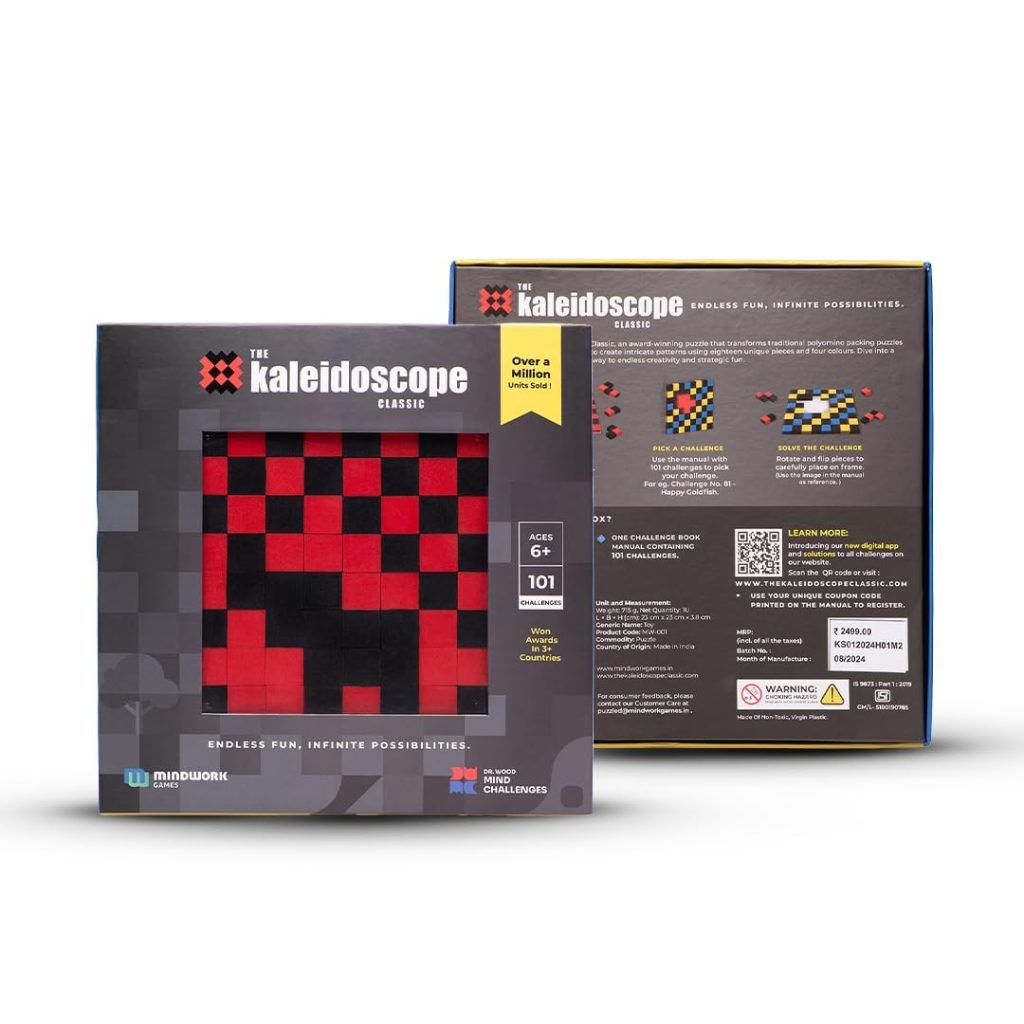
As we delve deeper into this fascinating evolution, we will examine how modern technologies are not just altering classic brain teasers but creating entirely new categories of challenges that cater to contemporary audiences. The intersection of technology and cognitive engagement goes beyond simple entertainment; it reflects broader societal changes in how we perceive and prioritize mental agility in our daily lives. This intriguing dynamic invites exploration and invites us to consider how our interaction with puzzles will continue to evolve in the future.
DIVE DEEPER: Click here to discover the science behind memory boosters
Reimagining Engagement through Technology
The digital age has ushered in innovative ways to experience and interact with brain teasers, shifting from traditional formats to modern formats that appeal to diverse audiences. This transformation is significant, as it reflects a broader cultural shift in how individuals approach mental challenges. With essential features such as gamification, instant feedback, and adaptive learning, the new era of brain teasers enhances cognitive engagement and fosters a sense of community among puzzle enthusiasts.
Gamification has emerged as a powerful tool that turns challenges into engaging experiences. By incorporating elements such as points, levels, and rewards, modern brain teasers motivate users through increased interactivity. For instance, popular games like “Elevate” not only offer brain exercises but also track progress over time, allowing players to compete against themselves or others. This competition fosters a sense of achievement that traditional paper-and-pencil puzzles often lack.
Moreover, instant feedback plays a crucial role in the transformation of brain teasers. Unlike the classic format, where players would often wait for a lengthy period to ascertain their solutions, digital versions provide immediate validation of answers. This instant gratification keeps users engaged and encourages continuous practice, sharpening their problem-solving skills effectively. Studies suggest that real-time responses can significantly enhance learning outcomes, proving that the rapid feedback loop associated with modern technology is beneficial for cognitive development.
The evolution of brain teasers has also led to an increase in adaptive learning. Many apps and online platforms now use algorithms that adjust the difficulty of puzzles based on a player’s performance. This means that as a user’s skills improve, they are consistently presented with challenges that match their evolving capabilities. This adaptability not only keeps users engaged but also fosters lifelong learning in a way that static puzzles cannot.
- Customizable Experiences: Players can often select themes, styles, and complexities of puzzles that resonate with their preferences.
- Social Connectivity: Many platforms facilitate sharing, discussions, and collaborations, enriching the problem-solving experience and allowing users to learn from one another.
- Data-Driven Insights: Users can access analytics that breakdown their strengths and weaknesses, providing clear pathways for improvement.
As these modern features redefine how brain teasers are enjoyed, they also invite broader participation across demographics. Digital platforms are breaking down geographical barriers, enabling people to engage in brain challenges irrespective of their location. This new accessibility means everyone can join in on the fun, regardless of age or skill level, thereby creating a more inclusive space for mental engagement.
As we continue to dissect this digital transformation, it becomes increasingly clear that technology is not eradicating the traditional formats of brain teasers but rather enhancing and expanding them. The intersection of convenience, interactivity, and social engagement represents a promising shift in the landscape of cognitive challenges. These developments hold the potential to shape not just how we entertain ourselves, but also how we cultivate critical thinking skills in future generations.
In recent years, the rise of artificial intelligence and mobile applications has completely redefined the landscape of brain teasers and puzzles. Gone are the days when enthusiasts had to rely solely on paper and pencil – modern technology has introduced interactive platforms that make solving challenges more engaging than ever. Today, players can access a plethora of digital brain teasers at their fingertips, transforming traditional logic games into immersive experiences that often include animations, sound effects, and immediate feedback.One notable example of this transformation is the proliferation of mobile puzzle games that utilize gamification principles. These games are designed not only to challenge players’ intellects but also to keep them engaged through rewarding progress systems, achievement badges, and community leaderboards. The social aspect has become a key component; users can compete with friends or connect with a global audience to test their skills against others. As technology evolves, these games are increasingly incorporating artificial intelligence to adapt difficulty levels based on player performance, making brain teasers more personalized and accessible.Moreover, platforms such as augmented reality (AR) and virtual reality (VR) are pushing the boundaries of how brain teasers can be experienced. Users can solve complex puzzles within their own environments or fully immerse themselves in a virtual world where every twist and turn presents a new challenge. This shift is broadening the demographic appeal of brain teasers, attracting individuals who may have never been inclined to engage with traditional puzzles. As a result, brain teasers have evolved into a multifaceted genre rich with opportunity for creativity and innovation.In addition to enhancing the ways we solve puzzles, technology has also changed how we learn about them. Online tutorials and video walkthroughs are widely available, allowing users to not only play but also improve their skills through various learning modalities. The increase in accessibility to resources has democratized puzzle-solving, enabling anyone with an internet connection to learn strategies and techniques that were once confined to niche enthusiasts.As the digital age continues to advance, the future of brain teasers hinges on the interplay between traditional cognitive challenges and groundbreaking technology. The incorporation of machine learning, big data, and cloud computing could spark an even greater evolution in how these puzzles are crafted and shared, paving the way for endless possibilities and innovations in problem-solving entertainment. The modern approach to brain teasers not only revolutionizes how we engage with classic challenges but also emphasizes the role of community and technology, demonstrating that the art of puzzling is far from obsolete.
DISCOVER MORE: Click here
Emergence of Interactive Platforms
The evolution of brain teasers in the digital age is profoundly influenced by the rise of interactive platforms that cater to a diverse array of interests and age groups. This newfound accessibility has led to a surge in popularity for puzzles and riddles among not just dedicated enthusiasts, but casual users as well. With apps and websites like “BrainBashers” and “Lumosity,” users can now participate in a variety of challenges that simultaneously entertain and educate.
One significant aspect of these platforms is the incorporation of multimedia elements, transforming static puzzles into visually stimulating experiences. Interactive graphics, animations, and sound effects enrich the brain teaser landscape, drawing in users who might not have previously engaged with traditional paper puzzles. For example, a simple logic puzzle might now involve colorful animations that illustrate the problem-solving process, making it more approachable for younger audiences.
Furthermore, the advent of mobile technology has made brain teasers more portable than ever. With smartphones and tablets ubiquitous in American households, users can access their favorite puzzles anytime and anywhere. Commuters can engage in a quick brain challenge during a train ride, or students can take a break from studies by solving a riddle on a mobile app. This ease of access is reshaping the way we utilize our downtime, transforming idle moments into opportunities for mental exercise.
The integration of social media platforms has also contributed significantly to the evolution of brain teasers. Users can now share their achievements, techniques, and even custom puzzles through social channels. This not only enhances user engagement but cultivates a sense of community and collaboration. For example, platforms like Facebook and Reddit have seen the formation of groups specifically dedicated to sharing and solving brain teasers. This camaraderie further motivates individuals to push their limits and challenge themselves, pushing the boundaries of traditional puzzle-solving.
- Innovative Formats: Digital brain teasers encourage the use of mixed formats, blending verbal, visual, and spatial challenges that enrich cognitive skills.
- Competitive Elements: Tournaments and leaderboards foster a sense of competition, promoting user retention and continuous participation.
- Cross-Generational Engagement: Puzzles that appeal to both young and old, layered with varying difficulty, allow families to engage together, bridging generational divides.
Another pivotal advancement in the realm of brain teasers is the application of artificial intelligence (AI) in puzzle creation. Developers now employ AI algorithms to generate unique and unpredictable puzzles, enhancing the complexity and novelty of challenges presented to users. This means that, unlike traditional puzzles that may have a finite number of solutions, users can experience endlessly varied challenges tailored to their skill level and preferences.
Additionally, as artificial intelligence continues to advance, chatbots and virtual assistants are beginning to offer users personalized puzzle suggestions based on their past interactions and performance. This level of customization is revolutionary; it fulfills individual interests, increases engagement, and keeps users returning to their favorite puzzle platforms for a fresh experience.
The emergence of immersive environments, such as virtual reality (VR) and augmented reality (AR), provides yet another frontier in brain teaser evolution. Platforms are exploring how these technologies can be leveraged to create engaging, interactive puzzle experiences. Imagine solving a complex riddle while navigating through a virtual maze or piecing together clues in an AR-enhanced treasure hunt — the potential for exciting engagement is limitless.
As we explore these transformative elements, it becomes increasingly evident that the evolution of brain teasers in the digital age is not merely a trend, but a profound shift in how we conceptualize and engage with cognitive challenges. These advancements illustrate a deeper comprehension of our evolving relationship with technology, emphasizing cognitive growth, social connectivity, and enhanced enjoyment in problem-solving activities.
DIVE DEEPER: Click here to uncover the benefits
Transforming Cognitive Challenges for a New Generation
In conclusion, the evolution of brain teasers in the digital age marks a significant transformation in how we approach cognitive challenges. With the seamless integration of interactive platforms, artificial intelligence, and immersive technologies such as virtual reality and augmented reality, traditional puzzles have been reimagined to cater to a broader audience. This democratization of brain teasers not only makes them more accessible but also enriches the problem-solving experience through various multimedia enhancements.
The impact of mobile technology allows users to engage with brain teasers at their convenience, promoting daily mental exercise that fits effortlessly into modern lifestyles. Furthermore, the rise of social media has fostered a collective spirit, enabling communities to gather around shared interests in puzzles, thus enhancing motivation and participation. As competitive elements become intertwined with puzzle solving, users are encouraged to continuously challenge themselves, paving the way for a new generation of brain teaser enthusiasts.
As we move forward, it is vital to recognize that the future of these challenges lies not only in their entertainment value but also in their potential for cognitive development and social interaction. The fusion of classic puzzle-solving principles with advancements in technology is redefining the way we think, connect, and engage with the world of brain teasers. For those interested in exploring this domain further, the possibilities are boundless—prompting not just curiosity, but also a genuine appreciation for the art of problem-solving in a digital age.
Related posts:
The Role of Brain Teasers in Developing Problem-Solving Skills in Adults
Brain Teasers as a Team Building Tool: Strengthening Relationships at Work
The Importance of Brain Teasers in Stress Reduction and Increased Concentration
Brain Teasers and Creativity: How Mental Challenges Stimulate Innovative Thinking
Brain Teasers in Different Cultures: How Puzzles Vary Around the World
How Brain Teasers Can Improve Your Memory and Cognitive Skills

Linda Carter is a writer and puzzle expert specializing in mind games, brain teasers, and cognitive challenges. With extensive experience helping individuals enhance their problem-solving skills and think critically, Linda shares her knowledge on our platform. Her goal is to empower readers with practical advice, engaging puzzles, and strategies to sharpen their minds and achieve success in the captivating world of mind games and puzzles.